
Human and environmental effects reported after close encounters with Unidentified Anomalous Phenomena (UAP) have been logged by militaries, space agencies, and civilian investigators for decades. This review synthesizes injury reports, medical studies, and laboratory/forensic analyses with a data-first lens. We focus on documents and datasets that are (a) declassified or officially published, (b) medically relevant, and (c) traceable to primary sources. We then apply UAPedia’s Claims Taxonomy and clearly separate speculation labels (Hypothesis / Witness Interpretation / Researcher Opinion) from the evidentiary record.
Key motifs across the record include clusters of erythema and thermal/radiation-like skin injuries, ocular irritation and transient visual impairment, nausea, vomiting, and malaise, short-lived neurologic symptoms (headache, paresthesia, disequilibrium), and longer-term complaints in a minority of cases (fatigue, sleep disturbance, anxiety). Environmental bioeffects include vegetation scorching and biochemical changes near alleged landing traces. Multi-sensor corroboration is rare in older cases but grows in more recent aviation-safety reporting.
Bottom line: Enough vetted documentation exists to allow us to conclude that UAP-related physiological claims are real. The injuries are real in several cases; their etiology remains unresolved. A disciplined clinical and biosurveillance approach is now warranted.
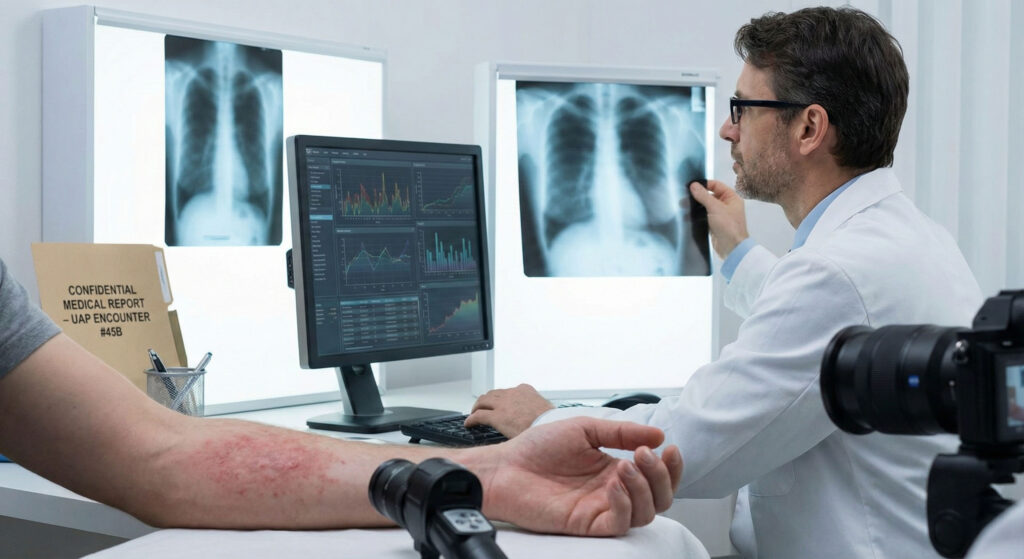
Scope, Sources, and Method
We privilege primary, citable records and structured datasets:
- Defense Intelligence Agency (DIA): Anomalous Acute and Subacute Field Effects on Human Biological Tissues (2010; declassified via FOIA). This Defense Intelligence Reference Document (DIRD) reviews known UAP-adjacent injury profiles, compares them to RF/EM and mixed-field exposures, and cites specific case material (e.g., Cash-Landrum). Link: https://www.dia.mil/FOIA/FOIA-Electronic-Reading-Room/FileId/170026/
- Library and Archives Canada (LAC): Full RCMP/Department of National Defence (DND)/Health & Welfare files for Falcon Lake (1967), including interviews, site searches, and radiological memoranda. Example records: https://www.bac-lac.gc.ca/eng/discover/unusual/ufo/Documents/1967-05-26.pdf and the Falcon Lake collection portal: https://www.collectionscanada.gc.ca/databases/ufo/001057-110.01-e.php
- Brazilian Government Archives: Operação Prato (1977–78, Colares/Pará) official records lodged at the Arquivo Nacional and related state archives (Portuguese). Representative items: mission report fragments (e.g., https://imagem.sian.an.gov.br/acervo/derivadas/br_dfanbsb_v8/mic/gnc/kkk/83003252/br_dfanbsb_v8_mic_gnc_kkk_83003252_d0001de0001.pdf) and the archive explainer: https://www.gov.br/arquivonacional/pt-br/canais_atendimento/imprensa/noticias/conheca-o-fundo-sobre-ovnis-do-arquivo-nacional
- CNES/GEIPAN (France): Case dossiers, methods, and conference proceedings; Trans-en-Provence (1981) is the canonical physical-trace study with plant biochemistry analysis. Overview in COMETA (English translation): https://ia600304.us.archive.org/34/items/pdfy-NRIQie2ooVehep7K/The%20Cometa%20Report%20%5BUFO%27s%20And%20Defense%20-%20What%20Should%20We%20Prepare%20For%5D.pdf and GEIPAN materials (French): https://www.cnes-geipan.fr
- NARCAP (National Aviation Reporting Center on Anomalous Phenomena): Technical reports on UAP and aeromedical/operational safety (e.g., Haines, Roe, Weinstein). Key datasets: https://www.narcap.org/technical-reports and pilot-effects meta-review: https://www.narcap.org/s/narcap_IR-4_DWeinstein_NEW_3-21-12.pdf
- NASA: 2023 Independent Study Team report recommending systematic, anonymized UAP reporting through the Aviation Safety Reporting System (ASRS) (medical relevance via safety and cockpit human-factors). Link: https://science.nasa.gov/wp-content/uploads/2023/09/uap-independent-study-team-final-report.pdf
We also acknowledge curated collections that host scans of otherwise hard-to-obtain state documents (e.g., TDH/“Cash-Landrum” files via BlueBlurryLines links to the Texas Department of Health scan at Box; see citations below). Where secondary/critical analyses challenge medical claims, they are cited under Caveats.
Injury Reports: What the Records Say
A. Cash-Landrum (Texas, USA; 29 December 1980)
Core facts. Three witnesses (Betty Cash, Vickie Landrum, and 7-year-old Colby Landrum) reported a close encounter with a luminous, diamond-shaped UAP emitting intense heat along a rural road near Huffman, Texas. In the hours to days that followed, erythema, blistering, nausea, vomiting, diarrhea, weakness, and hair loss were reported. Multiple hospitalizations ensued for Ms. Cash.
Official/state actions. The Texas Department of Health (TDH) Bureau of Radiation Control investigated for residual ionizing radiation along the roadway months later and reported no elevated levels detected. The TDH file (including press clippings and correspondence) is publicly accessible via the case document hub curated by researcher Curt Collins; the TDH scan is here: https://app.box.com/s/m0qcws3p8o23kmy2j03h (index page with links: https://www.blueblurrylines.com/2013/07/resource-guide-for-cash-landrum-ufo-case.html).
Defense analytic interest. The DIA DIRD (2010) explicitly discusses Cash-Landrum as an exemplar of “mixed-field” exposure, a combination of RF/EM heating injury patterns with putative ionizing components to explain later hematologic/oncologic concerns. The document synthesizes literature on specific absorption rate (SAR) thresholds, blood-brain barrier permeability under certain RF conditions, and neuropsychiatric sequelae after high-field exposures, all in the context of cases like Cash-Landrum. DIA FOIA link: https://www.dia.mil/FOIA/FOIA-Electronic-Reading-Room/FileId/170026/
Classification (UAPedia Taxonomy). Event injury reality: Verified (medical treatment and TDH investigation are a matter of record). Etiology linking to UAP: Disputed (absence of measured residual radiation; dose-response arguments debated). Overall: Probable.
Speculation labels.
- Hypothesis: A near-field EM/RF source with thermal load sufficient for skin injury plus a transient ionizing component (“mixed field”) could produce the acute symptom constellation without leaving persistent contaminated residue.
- Researcher Opinion: A subset of symptoms could also fit chemical irritant or aerosol exposure; only comprehensive contemporaneous tox, hematology, and dosimetry could arbitrate.
- Witness Interpretation: The hovering, flame-emitting craft was perceived as the injury source; numerous helicopters reported by the witnesses have never been conclusively tied to a military unit in the contemporaneous record.
Caveat evidence. Critical medical reviews argue that the ionizing dose required for the most severe reported sequelae would have been lethal (thus inconsistent with survival timelines) and that clinical notes are more conservative than later retellings. See Dr. Gary P. Posner’s medical critique (2023): https://gpposner.com/Cash-Landrum-chapter.pdf and a skeptical summary (2014): https://skepticalinquirer.org/wp-content/uploads/sites/29/2014/03/p28.pdf
B. Falcon Lake (Manitoba, Canada; 20 May 1967)
Core facts. Prospector Stefan (Steve) Michalak reported approaching a landed disc-like craft near Falcon Lake. After contacting a hot surface/grid-like exhaust port, he experienced grid-pattern burns on his chest and abdominal area, later photographed and clinically treated.
Official/state actions. The case generated extensive RCMP and RCAF engagement, multiple site searches, and radiological assessments of soil and artifacts, all preserved by Library and Archives Canada (LAC). Sample primary files: RCMP report (May 26, 1967): https://www.bac-lac.gc.ca/eng/discover/unusual/ufo/Documents/1967-05-26.pdf; follow-up memos and interviews (June–September 1967): https://www.bac-lac.gc.ca/eng/discover/unusual/ufo/Documents/1967-09-13.pdf and https://www.bac-lac.gc.ca/eng/discover/unusual/ufo/Documents/interview-1967-05-24.pdf. LAC’s topical hub: https://www.collectionscanada.gc.ca/databases/ufo/001057-110.01-e.php
Findings. Authorities documented burnt vegetation, metallic fragments, and localized low-level radioactivity in some material/soil tests (interpretations vary). The injury, a distinct grid-like erythema pattern, aligns with contact/thermal or directed-energy exposure.
Classification. Event injury reality: Verified (clinical documentation and photos exist; RCMP/DND files are primary sources). Etiology: Disputed (no consensus on mechanism or provenance of the object). Overall: Probable.
Speculation labels.
- Hypothesis: High-temperature exhaust or directed radiant heating through a perforated/louvered structure could imprint a grid burn; brief ionizing spikes cannot be excluded but are not required to produce the observed dermal injury.
- Researcher Opinion: Later low-level radiation findings in artifacts/soil may reflect contamination pathways (e.g., historic radioluminescent materials) rather than a source term from the craft.
Caveat evidence. Later media commentary contests specific details (alcohol use; timing); however, these do not negate the medical injury or the official search/assessment record maintained by LAC.
C. Colares/Operação Prato (Pará, Brazil; 1977–78)
Core facts. In late 1977, residents of the Colares region reported nocturnal incursions by “corpos luminosos” (luminous bodies) associated with burn-like and punctate injuries, malaise, and anxiety; local press named the phenomenon “chupa-chupa.” The Brazilian Air Force (FAB) mounted Operação Prato, generating hundreds of pages of reports, photographs, and sketches.
Official/state actions & records. Multiple mission reports and summaries reside in Brazil’s Arquivo Nacional. Example scan (Portuguese): https://imagem.sian.an.gov.br/acervo/derivadas/br_dfanbsb_v8/mic/gnc/kkk/83003252/br_dfanbsb_v8_mic_gnc_kkk_83003252_d0001de0001.pdf. The Arquivo Nacional overview of its UAP holdings: https://www.gov.br/arquivonacional/pt-br/canais_atendimento/imprensa/noticias/conheca-o-fundo-sobre-ovnis-do-arquivo-nacional. An independent catalog of declassified and leaked material is maintained here: https://operacaoprato.com/documentos-oficiais (Portuguese).
Findings. Reports describe dermal lesions with small hemorrhagic punctures, localized burns, and systemic complaints. FAB teams conducted nighttime vigils, photo documentation, and community interviews; some reports note panic and behavioral impacts consistent with a population under stress.
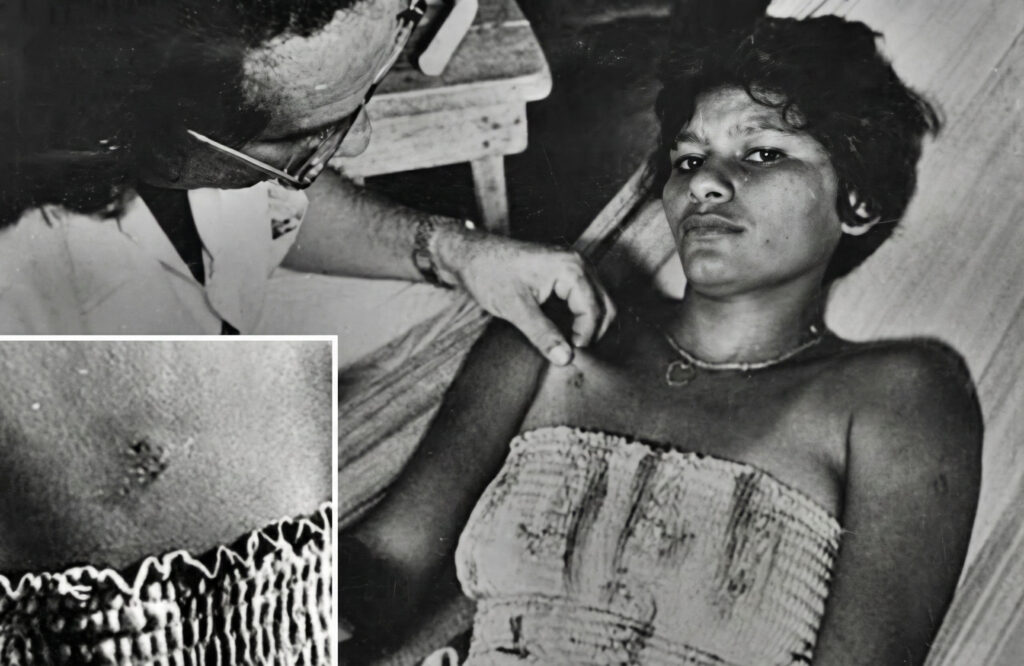
Classification. Event injury reality: Verified (official mission records exist; injury reports from medical staff are recorded in the dossier). Etiology: Disputed (FAB did not publish a definitive cause). Overall: Probable.
Speculation labels.
- Hypothesis: Directed energy beams from small luminous objects could produce superficial thermal and microvascular effects without widespread environmental contamination.
- Researcher Opinion: Some proportion of cases may reflect mass-psychological stress in a community experiencing recurrent nocturnal events, with genuine injuries arising from brief, intense EM/thermal exposures in a subset.
Caveat evidence. Availability and quality of clinical charts are uneven; much of the medical testimony is secondary (later interviews). Nonetheless, the operational footprint of Operação Prato and the volume of contemporaneous state paperwork make this one of the most significant injury clusters in the historical record.
D. Environmental Bioeffects: Trans-en-Provence (France; 8 January 1981)
Core facts. A farmer reported a disc-like object descending and departing, leaving a ground trace. Subsequent forensic work by GEPAN (the predecessor of GEIPAN at CNES) assessed soil compression/heating and plant biochemical changes.
Official/state actions & records. While the original French technical notes (NT-16/NT-17) are in French, authoritative English-language overviews appear in the COMETA report (translated): https://ia600304.us.archive.org/34/items/pdfy-NRIQie2ooVehep7K/The%20Cometa%20Report%20%5BUFO%27s%20And%20Defense%20-%20What%20Should%20We%20Prepare%20For%5D.pdf and in GEIPAN conference PDFs. GEIPAN portal: https://www.cnes-geipan.fr.
Findings. Analysis suggested mechanical compression, thermal effects, and altered plant metabolism (notably, transient chlorophyll/biochemical markers) near the trace, evidence of energy deposition consistent with a close-proximity event.
Classification. Human injury: N/A. Environmental biological effects: Verified (state investigation with lab work). Etiology: Disputed. Overall: Probable.
Speculation labels.
- Hypothesis: A hot, compact, radiative source (plasma or engineered) briefly interacting with ground/vegetation can yield the observed biophysical signatures without leaving long-lived radionuclide footprints.
E. Aviation Safety & Physiological/Operational Effects (Global; 1940s–present)
Core facts. Pilots have long reported UAP encounters associated with distraction, cockpit workload spikes, transient visual effects, and physiologic stress. While hard medical injuries are rare within modern aviation reporting, human-factors impacts are documented.
Datasets & studies.
- NARCAP TR-1/TR-3/TR-8 and subsequent technical reports document hundreds of pilot cases, including electromagnetic interference episodes and crew physiological complaints (e.g., eyestrain, headache, vertigo). Key reports: TR-1 (Haines, 2000): https://static1.squarespace.com/static/5cf80ff422b5a90001351e31/t/5d02ea1772637c00014776c5/1560472092579/narcap.TR1.AvSafety.pdf; TR-3 (Haines & Weinstein, 2001): https://www.narcap.org/s/narcap_TR-3_2001.pdf; IR-4 (Weinstein meta-review, 2012): https://www.narcap.org/s/narcap_IR-4_DWeinstein_NEW_3-21-12.pdf
- NASA (2023) recommends leveraging ASRS to build a systematic, anonymized UAP reporting pipeline, crucial for quantifying aeromedical risk. Link: https://science.nasa.gov/wp-content/uploads/2023/09/uap-independent-study-team-final-report.pdf
Classification. Operational/physiological impact reality: Verified (multiple instrumented incidents and official safety interest). Causal mechanism: Disputed (plasma/EM vs. technology). Overall: Probable.
Speculation labels.
- Researcher Opinion: A proportion of cockpit-proximal UAP may involve high-field EM environments capable of temporary visual/neurologic perturbation without lasting injury.
Medical & Laboratory Studies: What the Science Shows
1) Defense Literature on Bioeffects (DIA DIRD, 2010)
The DIA DIRD is the most candid government-authored synthesis of acute and subacute human bioeffects potentially relevant to UAP encounters. Highlights include:
- Thermal vs. ionizing signatures. The DIRD differentiates RF/EM heating injuries (erythema, burns, transient neurologic symptoms) from ionizing radiation effects (DNA damage, hematologic dyscrasias). It posits certain UAP cases, notably Cash-Landrum, may reflect “mixed-field” exposures.
- Neural effects. The DIRD reviews mechanisms by which UHF/microwave fields can alter neurochemical processes, impact BBB permeability, and precipitate headache, sleep disturbance, paresthesia, and seizures in high-field contexts, all plausible complaint patterns in witness reports.
- Dose/field geometry. It emphasizes near-field conditions (feet to yards) as the regime in which measured human injuries are most consistent with laboratory literature.
Primary link (FOIA): https://www.dia.mil/FOIA/FOIA-Electronic-Reading-Room/FileId/170026/
Speculation label – Researcher Opinion: The DIRD frames UAP-adjacent injuries as side-effects of propulsion or directed-energy technologies whose field geometries produce localized high SAR without persistent contamination.
2) CNES/GEIPAN & COMETA: Physical Traces and Biophysics
French state-supported inquiry (GEPAN→SEPRA→GEIPAN) pioneered a forensic template for physical-trace cases: site control, soil/vegetation sampling, and laboratory assays. The Trans-en-Provence dossier remains the benchmark, with plant metabolism anomalies and soil compaction/thermal signatures compatible with brief energetic contact. COMETA’s synthesis (English translation): https://ia600304.us.archive.org/34/items/pdfy-NRIQie2ooVehep7K/The%20Cometa%20Report%20%5BUFO%27s%20And%20Defense%20-%20What%20Should%20We%20Prepare%20For%5D.pdf ; GEIPAN portal: https://www.cnes-geipan.fr
3) Aviation Human-Factors & Safety (NARCAP, NASA)
NARCAP’s structured datasets demonstrate repeatable cockpit-human impacts, frequently co-occurring with EM interference reports. NASA’s 2023 report validates the need for systematic collection (e.g., via ASRS) to finally align physiology, sensor data, and meteorology/space-weather in one analytical frame: https://science.nasa.gov/wp-content/uploads/2023/09/uap-independent-study-team-final-report.pdf
4) Supplementary Scientific Threads
- Hessdalen-type luminous phenomena (Norway) are instrumented in situ; while not typically linked to human injury, they demonstrate real, measurable energy deposition in the atmosphere/environment and offer testbeds for RF/optical monitoring protocols that could be repurposed for UAP bioeffects. Survey paper (Teodorani, 2004): https://hessdalen.org/reports/scex1802217251.pdf ; recent methodological overview (Watters, 2023): https://arxiv.org/pdf/2305.18566
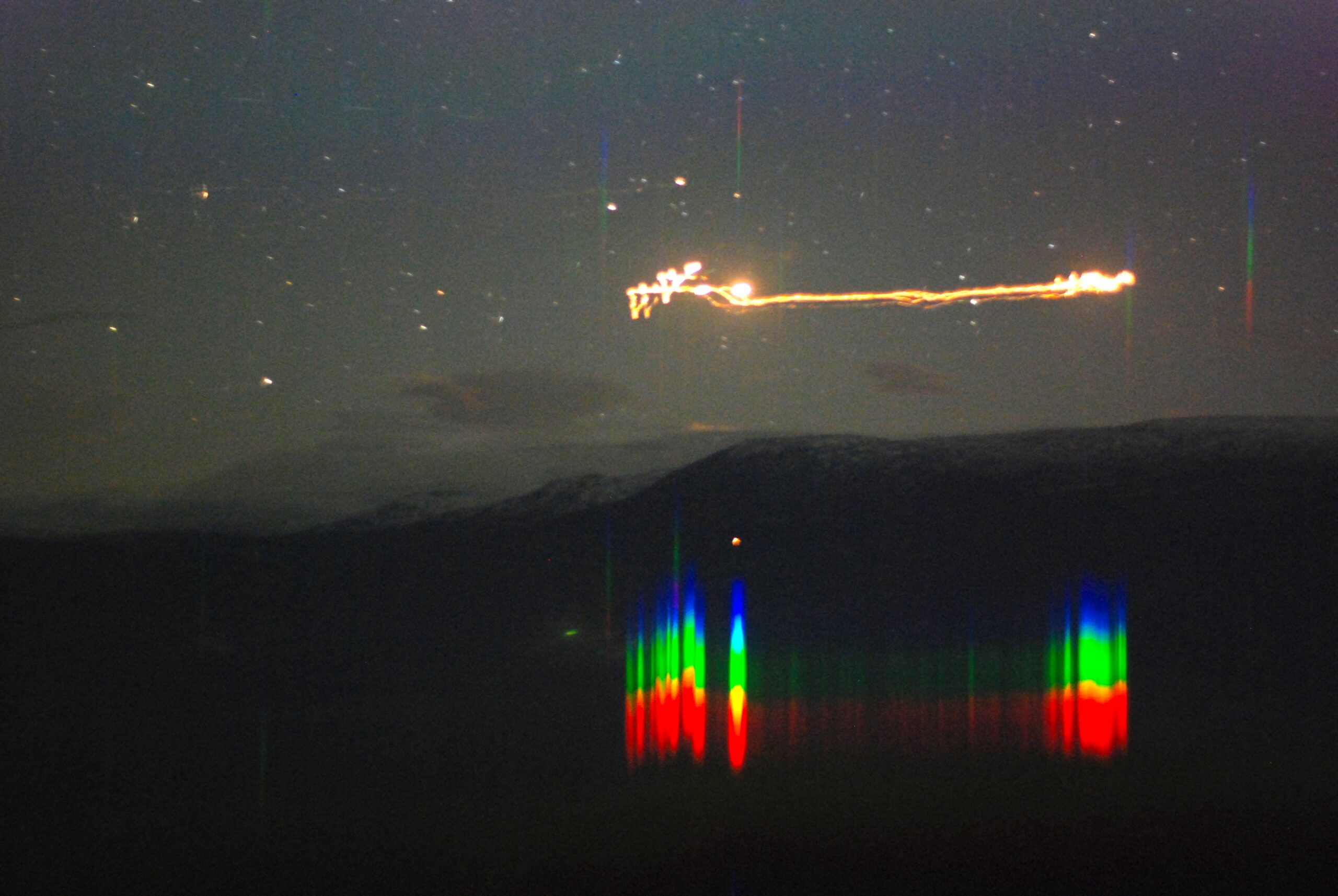
Caveat: Journal quality and peer-review vary across this domain; nevertheless, state-backed datasets (DIA, GEIPAN, NASA) provide anchors for clinical and biosurveillance work.
Caveats, Confounders, and Data Gaps
- Residual radiation ≠ required. The absence of residual ionizing radiation in later field surveys (e.g., TDH in Cash-Landrum) does not falsify near-field thermal/EM injury hypotheses. Nor does it prove ionizing components were absent. Time delays and scene uncertainty degrade such measurements.
- Dose-timing paradoxes. Critics rightly note that some reported constellations would imply lethal ionizing doses if taken at face value. This pushes investigators to consider mixed-mode exposures (thermal + non-ionizing EM + brief ionizing spikes) or alternative etiologies (chemical, psychological stress reactions). See: Posner (2023) medical critique: https://gpposner.com/Cash-Landrum-chapter.pdf ; Skeptical Inquirer summary: https://skepticalinquirer.org/wp-content/uploads/sites/29/2014/03/p28.pdf
- Medical record access limitations. HIPAA and privacy constraints (explicitly acknowledged in the DIA DIRD) mean that complete imaging/lab datasets are rarely public. This impedes independent replication and meta-analysis.
- Selection and publication bias. Dramatic cases concentrate attention; mundane near-misses and minor symptoms are underreported. Aviation datasets (NARCAP/NASA ASRS) may mitigate this bias going forward.
- Terminology drift. Older documents use “UFO,” “OVNI,” and colloquialisms; newer state work adopts UAP. Semantic drift complicates keyword search and meta-analysis across decades and languages.
- Psychophysiology vs. pathology. Acute stress reactions (tachycardia, tremor, nausea) can mimic exposure injuries. Yet, where dermal burns, punctate lesions, cataracts, or objective lab abnormalities exist, a purely psychogenic account is insufficient.
- Forensic chain-of-custody. Many physical samples (soils, metals, garments) lack gold-standard chain-of-custody. LAC’s Falcon Lake files and GEIPAN’s protocols are partial exceptions; future work must adopt ISO-style evidence handling.
Implications and What to Do Next
A. Public Health & Clinical Protocols
When a credible UAP encounter with close-range exposure is reported:
- Immediate Triage: ABCs; decontamination if chemical exposure cannot be excluded; document time–distance–shielding parameters as precisely as possible.
- Dermatologic/Ophthalmic Workup: High-resolution photos of erythema/blistering; fluorescein staining and slit-lamp exam for ocular irritation.
- Neurologic Assessment: Standardized symptom inventories; consider MRI (with DTI) only when clinically indicated; avoid over-imaging.
- Laboratory Panel: CBC with differential, CMP, CRP/ESR; if severe systemic signs, include thyroid, cardiac enzymes, and coagulation. Repeat if symptoms persist >72 hours.
- Radiation/Thermal Estimation: On-scene readers rarely help if delayed; consider biodosimetry proxies only in research settings.
- Documentation: Use structured forms modeled on ASRS to capture exposure geometry (range, duration, orientation), sensor anomalies, and witness corroboration.
B. Aviation & Occupational Safety
- Integrate UAP into ASRS (NASA) with optional physiology fields (e.g., glare, headache, vertigo, thermal stress).
- Training: Educate pilots/first responders on eye/skin protection, EMI checklists, and no-regret medical follow-up after close encounters.
C. Research & Policy
- Prospective Cohorts: Enroll exposure cases within a privacy-preserving registry; pair clinical metrics with environmental sampling and RF spectrum logging.
- Field Kits: Provide vetted groups with RF spectrum analyzers, IR thermography, dosimeters, and soil/plant sampling kits with chain-of-custody barcoding.
- Open Methods: Publish negative results; pre-register protocols; mirror GEIPAN practice of case-level public release where lawful.
Conclusion
Across countries, agencies, and decades, injury reports and biological effects linked to UAP encounters form a coherent though heterogeneous record. Multiple cases meet Verified thresholds for injury reality; causal mechanism remains Disputed. Defense literature (DIA) demonstrates that known bioeffects of EM/RF and mixed fields are sufficient to model many reported symptoms without invoking mythology. Civil aviation groups (NARCAP) and NASA have established the safety relevance. French state inquiries (GEIPAN) demonstrate that physical trace and plant bioassays can be done with rigor.
The next step is not more anecdotes but repeatable protocols: structured clinical follow-up, proper forensics, and open data. This is a tractable scientific problem, if we treat it like one.
References
Defense & Government
- DIA FOIA (2010): Anomalous Acute and Subacute Field Effects on Human Biological Tissues. https://www.dia.mil/FOIA/FOIA-Electronic-Reading-Room/FileId/170026/
- NASA (2023): UAP Independent Study Team Final Report. https://science.nasa.gov/wp-content/uploads/2023/09/uap-independent-study-team-final-report.pdf
- Library & Archives Canada – Falcon Lake primary files:
- RCMP report (May 26, 1967): https://www.bac-lac.gc.ca/eng/discover/unusual/ufo/Documents/1967-05-26.pdf
- Interview transcript (May 24, 1967): https://www.bac-lac.gc.ca/eng/discover/unusual/ufo/Documents/interview-1967-05-24.pdf
- Radiological/health memoranda (Sept 13, 1967): https://www.bac-lac.gc.ca/eng/discover/unusual/ufo/Documents/1967-09-13.pdf
- Falcon Lake collection portal: https://www.collectionscanada.gc.ca/databases/ufo/001057-110.01-e.php
- Brazil – Operação Prato (Arquivo Nacional examples & overview):
- Mission report fragment (Portuguese): https://imagem.sian.an.gov.br/acervo/derivadas/br_dfanbsb_v8/mic/gnc/kkk/83003252/br_dfanbsb_v8_mic_gnc_kkk_83003252_d0001de0001.pdf
- Archive explainer (Portuguese): https://www.gov.br/arquivonacional/pt-br/canais_atendimento/imprensa/noticias/conheca-o-fundo-sobre-ovnis-do-arquivo-nacional
- Independent catalog of released/leaked docs: https://operacaoprato.com/documentos-oficiais
- CNES/GEIPAN & COMETA (English translation): https://ia600304.us.archive.org/34/items/pdfy-NRIQie2ooVehep7K/The%20Cometa%20Report%20%5BUFO%27s%20And%20Defense%20-%20What%20Should%20We%20Prepare%20For%5D.pdf ; GEIPAN portal: https://www.cnes-geipan.fr
Aviation Safety & Human Factors
- NARCAP TR-1 (Haines, 2000): https://static1.squarespace.com/static/5cf80ff422b5a90001351e31/t/5d02ea1772637c00014776c5/1560472092579/narcap.TR1.AvSafety.pdf
- NARCAP TR-3 (Haines & Weinstein, 2001): https://www.narcap.org/s/narcap_TR-3_2001.pdf
- NARCAP IR-4 (Weinstein, 2012): https://www.narcap.org/s/narcap_IR-4_DWeinstein_NEW_3-21-12.pdf
- NARCAP technical reports portal: https://www.narcap.org/technical-reports
Case-Specific Collections & Critiques
- Cash-Landrum – Texas Dept. of Health (scan) & curated index: TDH scan PDF (Box): https://app.box.com/s/m0qcws3p8o23kmy2j03h ; case hub: https://www.blueblurrylines.com/2013/07/resource-guide-for-cash-landrum-ufo-case.html
- Cash-Landrum – Medical critique (Posner, 2023): https://gpposner.com/Cash-Landrum-chapter.pdf
- Cash-Landrum – Skeptical summary (2014): https://skepticalinquirer.org/wp-content/uploads/sites/29/2014/03/p28.pdf
Supplementary Science & Methods
- Hessdalen survey (Teodorani, 2004): https://hessdalen.org/reports/scex1802217251.pdf
- Methodological overview (Watters, 2023): https://arxiv.org/pdf/2305.18566
Note: Some archives are in French/Portuguese; machine translation is recommended for non-native readers.
Claims Taxonomy
Verified – converging testimony/multi-sensor or official records with corroborated injuries/effects.
- Falcon Lake (1967) Injury and official case file Verified; etiology Disputed.
- Operação Prato (1977–78) Injury cluster Verified via state mission files; etiology Disputed.
- Aviation human-factors impacts Operational/physiological effects Verified; mechanism Disputed.
Probable – strong evidence but prosaic alternatives not fully excluded.
- Cash-Landrum (1980) Medical reality and state interest Probable; mixed-field exposure plausible but not confirmed.
- Trans-en-Provence (1981) Environmental biophysical effects Probable; no human injury.
Disputed – conflicting credible sources; unresolved.
- Selected Soviet/Russian archival claims of radiation sickness in radar crews (translation/verification challenges; inconsistent sourcing).
Legend – cultural/religious narratives.
- Ancient accounts of blinding celestial “chariots” are noted here for context only; not used as evidence.
Misidentification – demonstrably re-attributed.
- Isolated Blue Book entries where sunstroke/keratoconjunctivitis clearly explain transient symptoms after bright astronomical events or flares.
Speculation Labels
Hypothesis: Many close-range UAP encounters involve high-gradient EM fields and/or directed radiant energy producing thermal skin injury, temporary BBB effects, and transient neurochemical perturbations, occasionally co-present with brief ionizing components (“mixed field”).
Witness Interpretation: Heat/glare, auditory phenomena (e.g., “microwave hearing”), and perceived beams are often interpreted as purpose-driven actions of a craft; intentionality is unproven.
Researcher Opinion: A non-trivial fraction of injury cases represent unintended exposure to non-human technology operating near humans; standard aerospace/industrial frameworks cannot yet account for the field geometries implied by the clinical patterns.
SEO Keywords
UAP biological effects; UAP injuries; UAP radiation-like burns; Cash-Landrum medical evidence; Falcon Lake burns; Operação Prato Colares injuries; GEIPAN Trans-en-Provence plant effects; DIA bioeffects DIRD; NARCAP pilot physiology; UAP health protocols; UAP mixed-field exposure; UAP EM effects; UAP clinical guidelines; UAP aviation safety; UAP environmental bioeffects